

Welcome To
Centre for Urban Ecology and Sustainability
Our Mission
The Centre for Urban Ecology and Sustainability (CUES) aims to address urban ecological issues with a view to offering solutions, and develop a skilled cohort of professionals who actively engage in, and find solutions for urban ecological challenges. The Centre serves as a focal point where researchers, government & non-governmental, citizens and private agencies converge and participate in the planning, implementation, and evaluation of sustainable environmental projects in cities. CUES collaborates actively with other schools and centres in AUD like the School of Human Ecology, School of Development Studies (SDS), School of Design (SDS), Centre for Community Knowledge (CCK) on areas of common interests. The Centre envisages to build linkages with teaching and research programmes within the University to provide students with hands-on learning, field practicum and engaged scholarship opportunities. The Centre hosts interactions and dialogues between Universities and other organizations in the city across thematics in urban sustainability.


News in Your Inbox
Subscribe to our website to receive updates from our Centre.
Our Blogs
-
Darwin Comes to Town: How the Urban Jungle Drives Evolution. Menno Schilthuizen (2018).
The Anthropocene marks an era of profound human influence on Earth’s systems. While many studies highlight mass extinction, Menno Schilthuizen emphasizes nature’s resilience in urban landscapes. He presents cities as evolving ecosystems where adaptation unfolds rapidly, challenging conventional views of urbanization. His perspective urges a rethinking of urban ecology and the persistence of biodiversity.
-
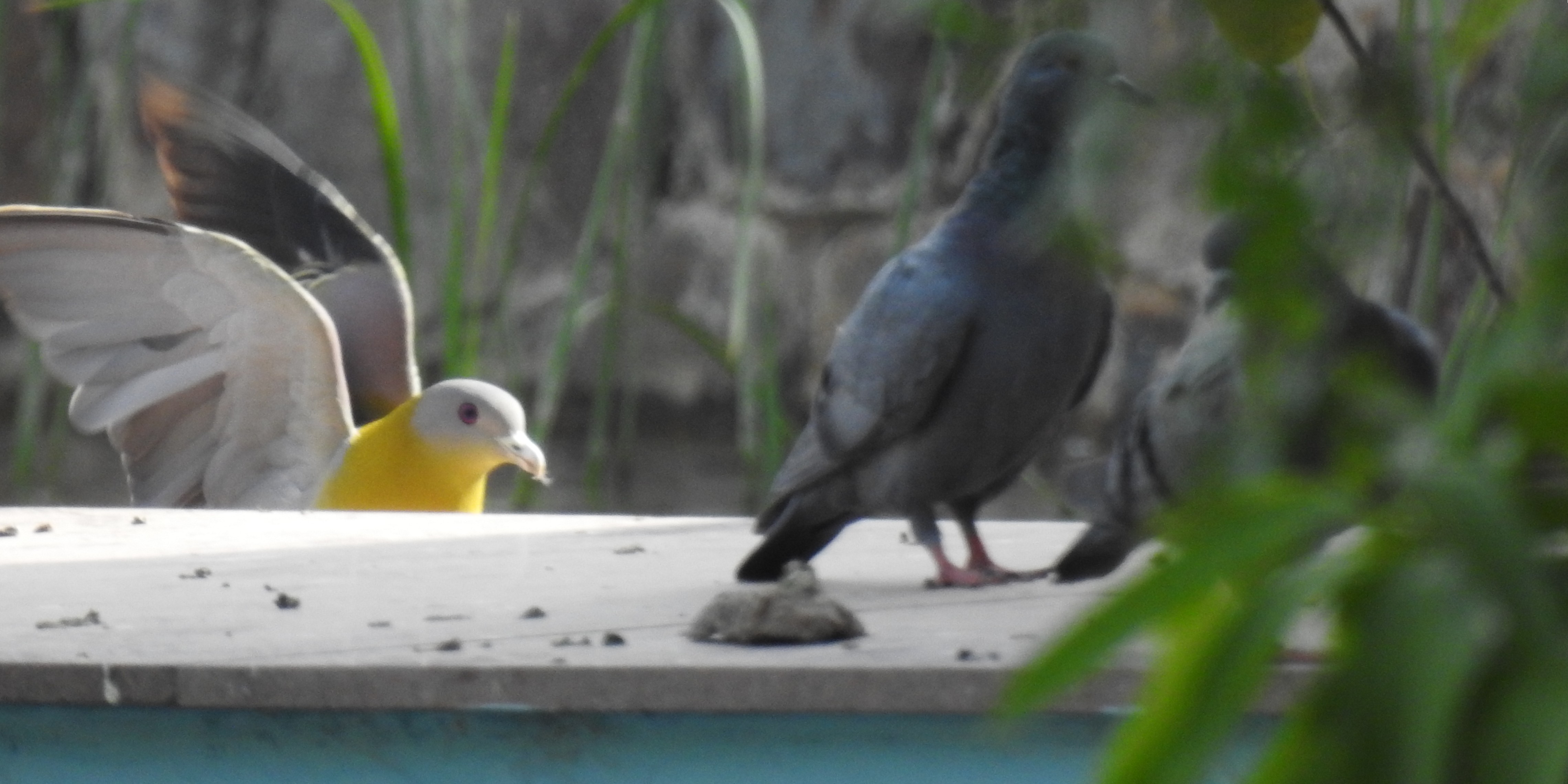
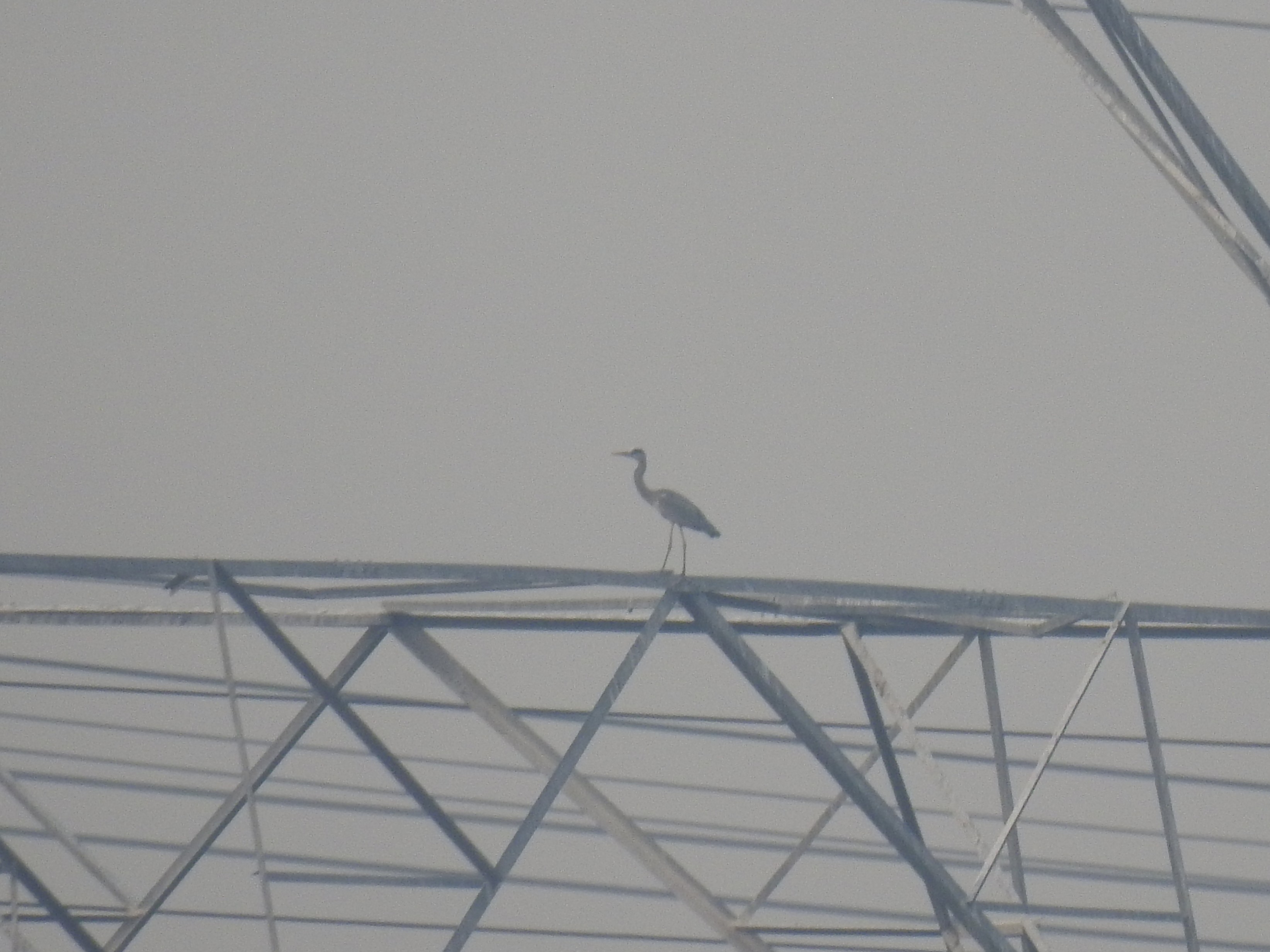
Small Parks, Big Stories: Tracking Birds in Parks
During my internship, I worked in Delhi’s urban parks, places I hadn’t initially considered ecologically significant. Though the city’s lakes caught my attention first, it was the birds that truly transformed my viewing of urban nature. What began as a routine two-credit assignment turned into a deeper exploration of biodiversity in seemingly ordinary green spaces,
-
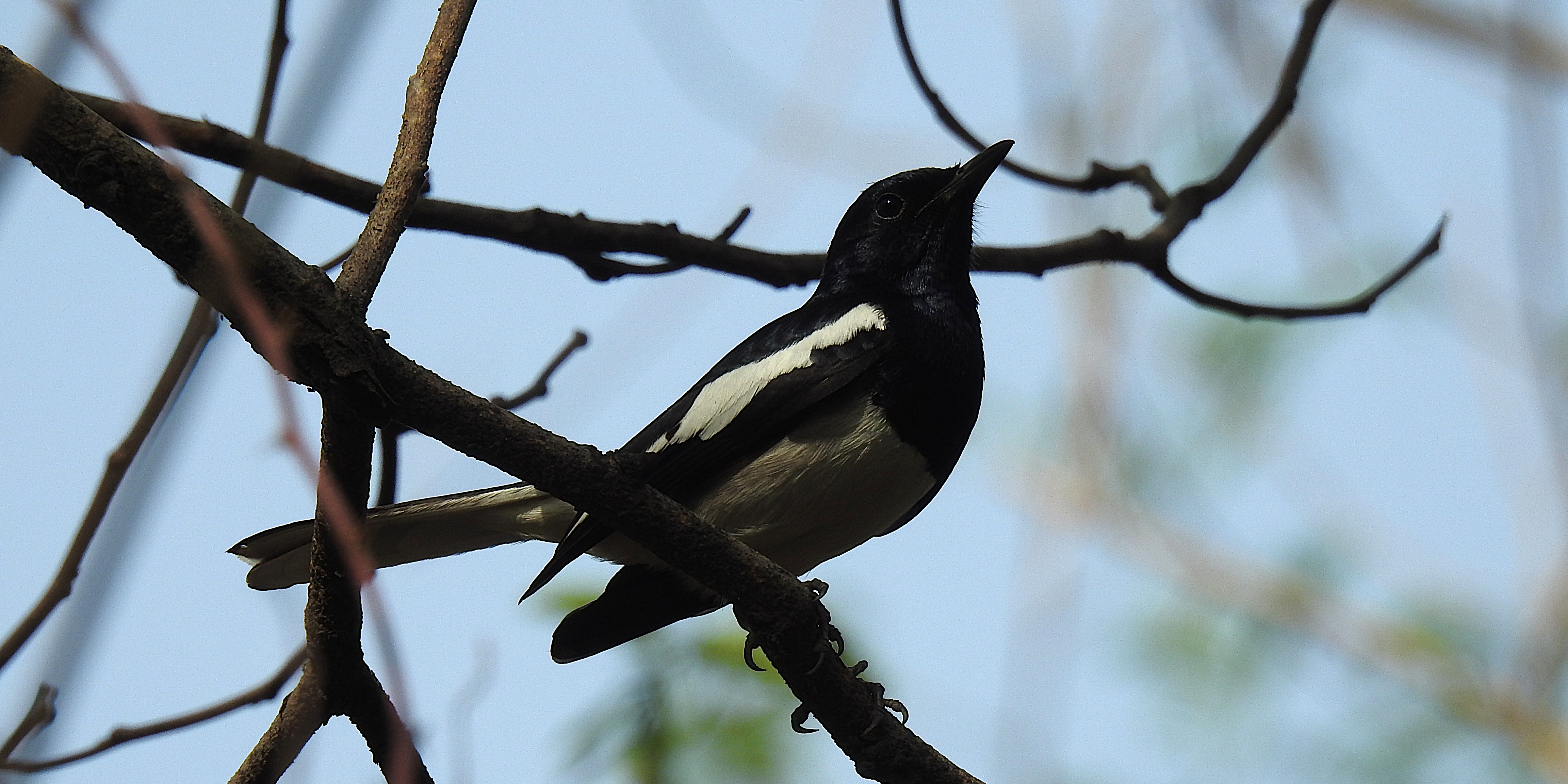
His songs at 2 a.m.
At 2 a.m., when the city seems finally at rest, a sudden drawn-out whistle pierces the silence—sweeeeeeeeeee. It is the Oriental Magpie Robin (Copsychus saularis), a bird many may never have noticed in flight, yet one whose voice is etched into the urban soundscape. By day, it is a striking figure in black and white,
-

The First Engineers Weren’t Human
Human beings have been engineering for a long time. Imhotep, who built the Step Pyramid at Ṣaqqārah, Egypt, around 2550 BCE, is considered one of the first engineers of humankind. In Rome, around the 1st century CE, Vitruvius’s De architectura, a 10-volume work, was published covering extensive engineering knowledge, including building materials, construction methods, hydraulics,
-
Terminating the Termites: A story of urban resilience
“While we have been trying to save the world’s crumbling pre-urban ecosystem, we have been ignoring the fact that nature has already been putting up the scaffolds to build novel, urban ecosystems for the future.” Menno Schilthuizen, Darwin Comes to Town (2018) More than half of the world’s population now resides in cities. But cities
-

Meeting by the Marsh: ERA Visit to Dheerpur Wetland
A nature walk at the Dheerpur Wetland Project, organized by CUES and ERA, offered participants insights into urban wetland restoration. Participants shared experiences, discussed restoration challenges, and fostered a spirit of collaboration in the field.
-

Beyond the Nocturnal Veil: Exploring Diurnal Roosts of Fruit Bats
While there are many preconceived notions about bats, very little is known about their daytime roosting habitats and habits. This piece explores the diurnal roosts of fruit bats within the urban landscape of Delhi.
-

Early Birders get to Learn!: Birding at Dheerpur Wetlands with the CUES Team
That eagle you spotted in Delhi is probably a Black kite, and that parrot might be a Parakeet! Welcome to the world of birdwatching with the first semester students of MAED, Dr. B.R. Ambedkar University, who visited the Dheerpur Wetlands and learnt about restoration ecology, urban wetlands, and the surprising biodiversity of cities.
-

Cities – Far Away from Nature?
Global populations continue to urbanise at an unprecedented rate, with cities expanding into huge concentrations of concrete, steel, and glass, raising sustainability concerns. I’ve attempted to explore this issue from the standpoint of urban ecology, an interdisciplinary branch of study that looks at the complex interactions between the built environment of cities and non-human species.
-

Beautiful Dragonflies of the Not-so-Beautiful City
This article investigates dragonflies in the city. While they are specialists in flight, very little is known about their pre-metamorphosis aquatic life. Since urban areas create niches where multi-habitat creatures like dragonflies can flourish, should cities be chastised as unwise, unsustainable endeavours or can they be reimagined as housing nature in changed forms?
CUES Restoration Project Site: Dheerpur Wetland, Delhi


Description:
Restoration of Dheerpur Wetlands: A collaboration of CUES, AUD & DDA
The marshes and wetlands of the Yamuna region once extended from Azadpur to the present-day banks of the river. This region has been heavily drained and undergone an extensive land-use change during the last fifty years. Remnants of once widespread historical marshes can now only be seen near Jahangirpuri, Dheerpur and Burari. Since wetlands are increasingly appreciated globally and nationally for their socio-ecological functions and provisions, the Delhi Pollution Control Committee (DPCC) decided to restore the wetlands of Dheerpur.
Fragments of these wetlands have been filled up, dyked, dried and carved out for seasonal agriculture. Hence, it may not be sufficient to only stop their further degradation of wetlands of Dheerpur but would also be necessary to restore them for posterity. With this view, the Delhi Development Authority (DDA) has entered into a Management Agreement with Ambedkar University Delhi (AUD), in which the land ownership remains with DDA, and AUD would restore the wetlands. DDA would assist in civil work, funding research and restoration work, whereas AUD is entrusted with providing technical guidance for restoration and maintenance of the wetlands.
The Management Agreement for Dheerpur Wetland Project between AUD and DDA was signed on 17 February 2015. Following which the project was formally inaugurated on 19th June 2015.
Click here to read more on the Dheerpur Wetland Restoration
Location:
Dheerpur Wetland Project Site, Gandhi Vihar, Gopalpur Village,
Delhi 110009
Visiting hours:
10am – 5pm
Project Initiated:
Delhi, June 2015


