
Tag: Nature in the Anthropocene
-
Darwin Comes to Town: How the Urban Jungle Drives Evolution. Menno Schilthuizen (2018).
The Anthropocene marks an era of profound human influence on Earth’s systems. While many studies highlight mass extinction, Menno Schilthuizen emphasizes nature’s resilience in urban landscapes. He presents cities as evolving ecosystems where adaptation unfolds rapidly, challenging conventional views of urbanization. His perspective urges a rethinking of urban ecology and the persistence of biodiversity.
-
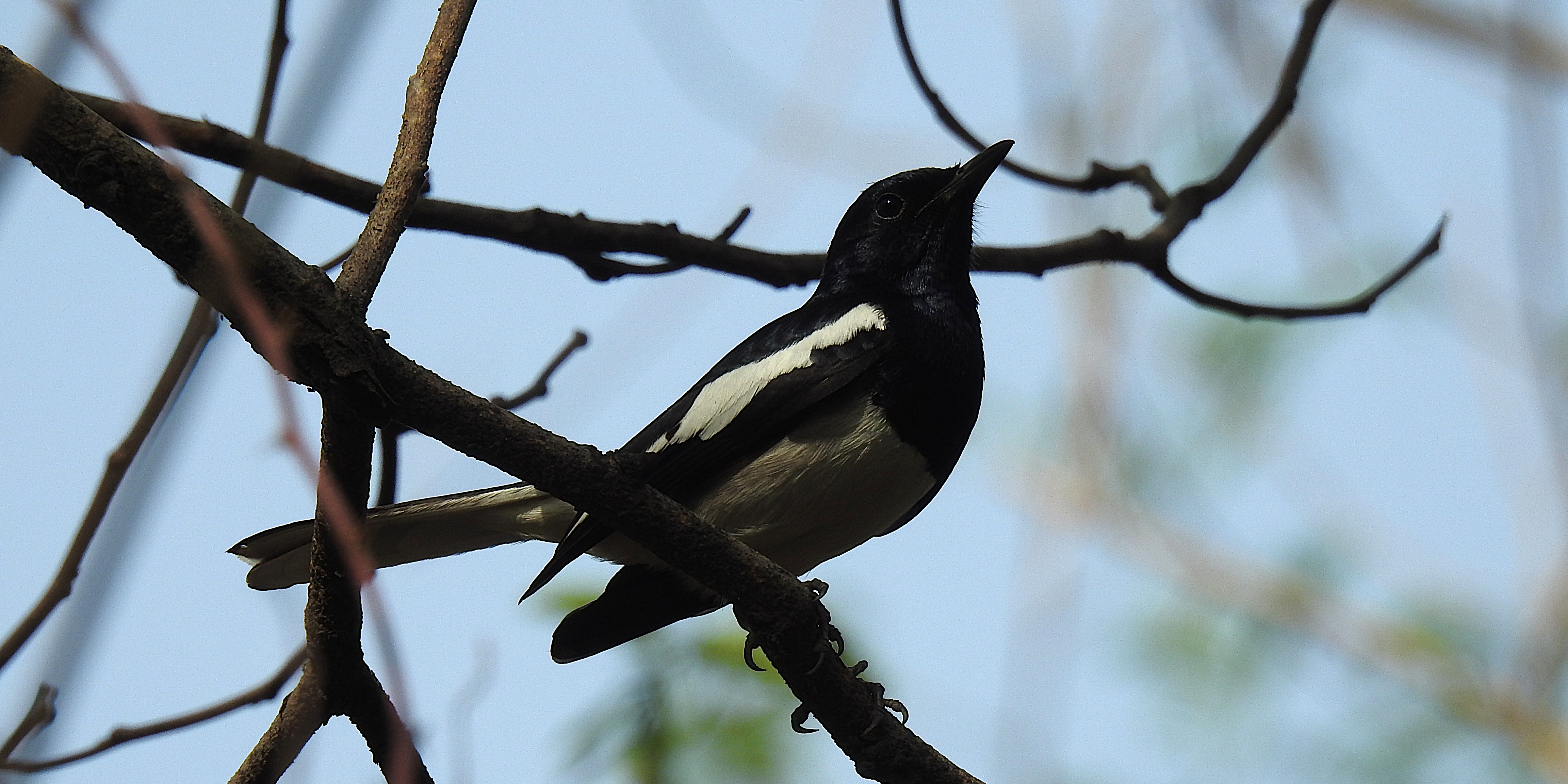
His songs at 2 a.m.
At 2 a.m., when the city seems finally at rest, a sudden drawn-out whistle pierces the silence—sweeeeeeeeeee. It is the Oriental Magpie Robin (Copsychus saularis), a bird many may never have noticed in flight, yet one whose voice is etched into the urban soundscape. By day, it is a striking figure in black and white,
-

The First Engineers Weren’t Human
Human beings have been engineering for a long time. Imhotep, who built the Step Pyramid at Ṣaqqārah, Egypt, around 2550 BCE, is considered one of the first engineers of humankind. In Rome, around the 1st century CE, Vitruvius’s De architectura, a 10-volume work, was published covering extensive engineering knowledge, including building materials, construction methods, hydraulics,
-

Beyond the Nocturnal Veil: Exploring Diurnal Roosts of Fruit Bats
While there are many preconceived notions about bats, very little is known about their daytime roosting habitats and habits. This piece explores the diurnal roosts of fruit bats within the urban landscape of Delhi.
-

Cities – Far Away from Nature?
Global populations continue to urbanise at an unprecedented rate, with cities expanding into huge concentrations of concrete, steel, and glass, raising sustainability concerns. I’ve attempted to explore this issue from the standpoint of urban ecology, an interdisciplinary branch of study that looks at the complex interactions between the built environment of cities and non-human species.
-

Beautiful Dragonflies of the Not-so-Beautiful City
This article investigates dragonflies in the city. While they are specialists in flight, very little is known about their pre-metamorphosis aquatic life. Since urban areas create niches where multi-habitat creatures like dragonflies can flourish, should cities be chastised as unwise, unsustainable endeavours or can they be reimagined as housing nature in changed forms?
-
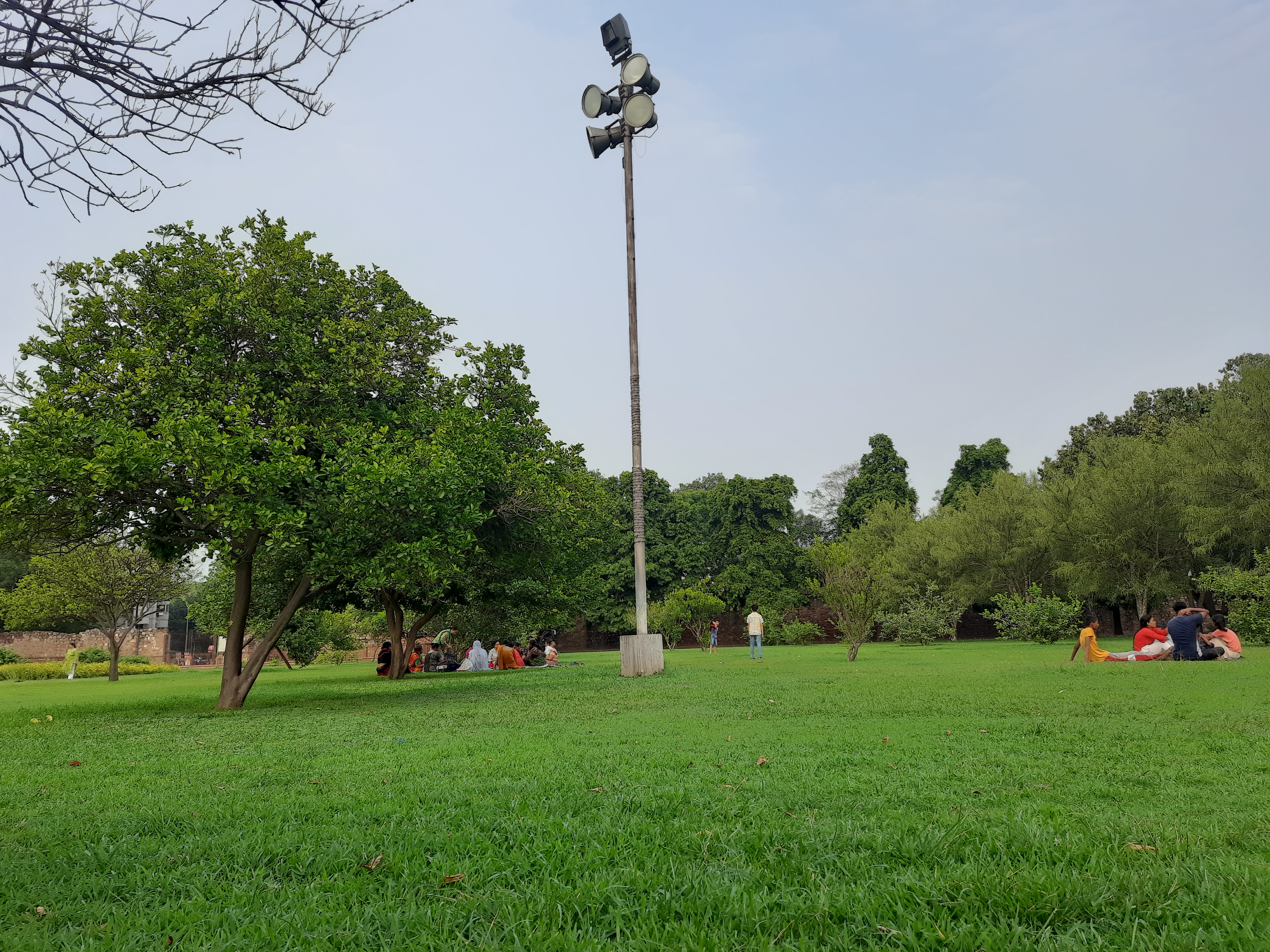
Gatekeeping “Access”: Exploring Caveats to Public Greenspace Use for the Urban Poor
Planning processes institutionalise the will of the politically powerful, shaping cities where equal access to urban public greenspace is several steps too far for the urban poor, quite literally and quietly figuratively. Environmental justice scholarship needs to integrate quantitative and qualitative measurements of access to understand what influences greenspace use along socio-economic indicators.
-

Birding in the Wetlands
Merlyn Antony “Hope” is the thing with feathers – That perches in the soul – And sings the tune without the words – And never stops – at all – – Emily Dickinson As the birds’ chirps flooded the morning sky, the students of MAED (M.A. in Environment and Development) along with PhD scholars at
-

Compensatory Afforestation – Where is the Land?
Divya Mehra It is well established that India is an ‘under-construction’ country. As a developing economy, the country invests a significant amount of its budget in new development projects that are being proposed, planned, and implemented at the regional or local level. Very often the land for development projects is taken from the forest area
-

Disciplining Non-human Bodies in the City
Aditi Dhillon & Ajay Immanuel Gonji In his seminal essay Why Look at Animals? John Berger (2009) talks about how, in the past, people kept domestic animals because they were useful to them – as guard dogs, hunting dogs, mice-killing cats, and so on. Later, people began to keep animals regardless of their usefulness, a