

Welcome To
Centre for Urban Ecology and Sustainability
Our Mission
The Centre for Urban Ecology and Sustainability (CUES) aims to address urban ecological issues with a view to offering solutions, and develop a skilled cohort of professionals who actively engage in, and find solutions for urban ecological challenges. The Centre serves as a focal point where researchers, government & non-governmental, citizens and private agencies converge and participate in the planning, implementation, and evaluation of sustainable environmental projects in cities. CUES collaborates actively with other schools and centres in AUD like the School of Human Ecology, School of Development Studies (SDS), School of Design (SDS), Centre for Community Knowledge (CCK) on areas of common interests. The Centre envisages to build linkages with teaching and research programmes within the University to provide students with hands-on learning, field practicum and engaged scholarship opportunities. The Centre hosts interactions and dialogues between Universities and other organizations in the city across thematics in urban sustainability.


News in Your Inbox
Subscribe to our website to receive updates from our Centre.
Our Blogs
-
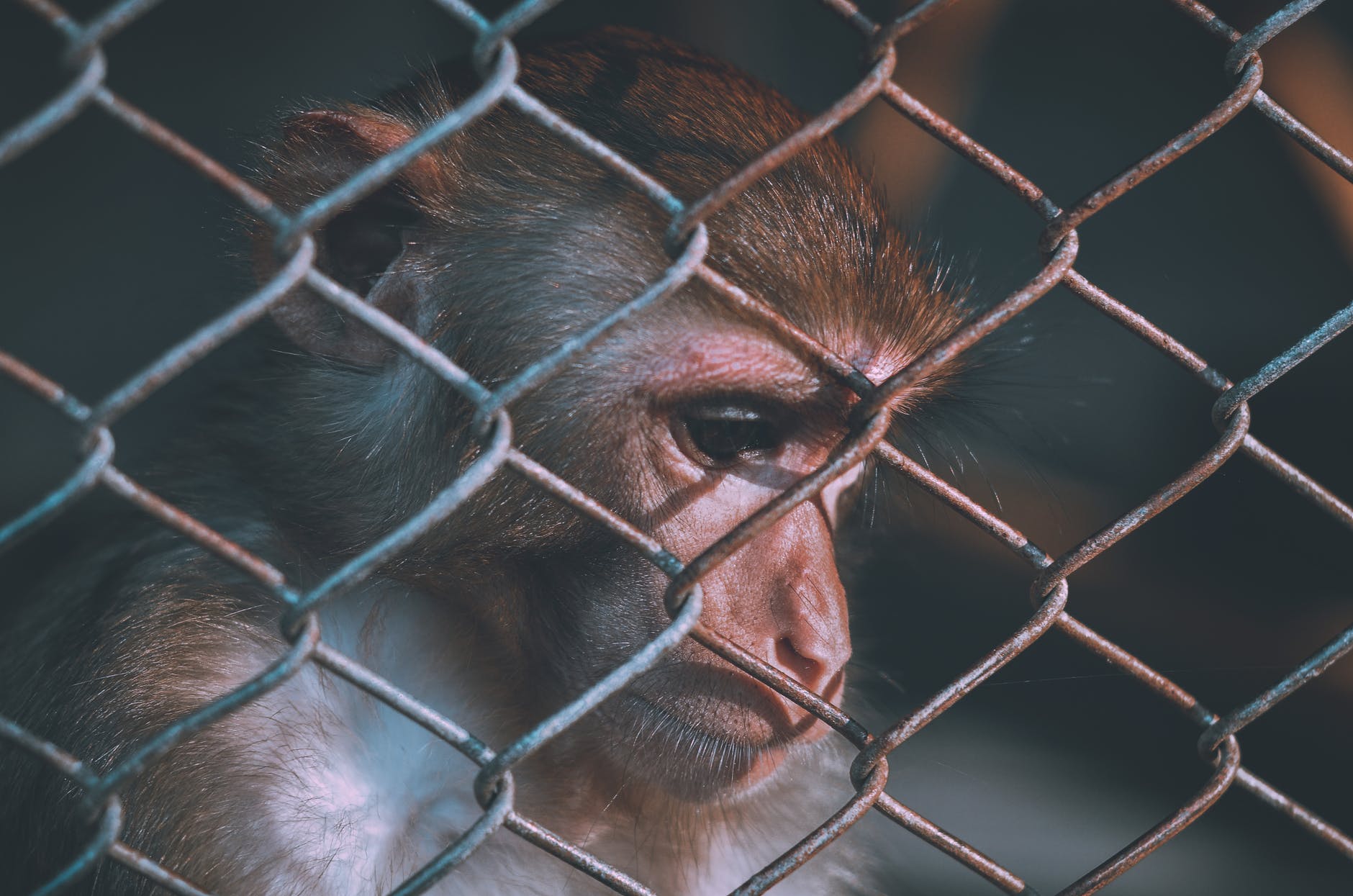
The Case Against Animal Rights
Kartik Chugh The coronavirus might have been invisible but that there would be a pandemic was not unforeseen. The simple narrative that the virus emerged in animals and jumped the species barrier to reach humans, helps sidestep the realm of human responsibility. At the center of this outbreak is not just the animal, but the…
-

Urban Wastewater Use in Agriculture: Solution to Water Crisis or Health Hazard?
Shashank Bhardwaj When I read about water scarcity and the issue of water wastage, to me it seems that it is inevitably related to the urban landscape. For instance, in today’s time, when the world is fighting the pandemic, organizations and governments are urging urban dwellers to use water carefully while washing their hands. The…
-

The Little Bird Over My Window
Sonali Chauhan During mid-March 2020, academic institutions in Delhi were put under lockdown. A few days later, office work, general discussions, and conversations shifted to online mode. Apart from the pandemic, the conversations were centered around the topic of anxiety and mental stress that may increase due to our current sedentary lifestyle. People are devising…
-
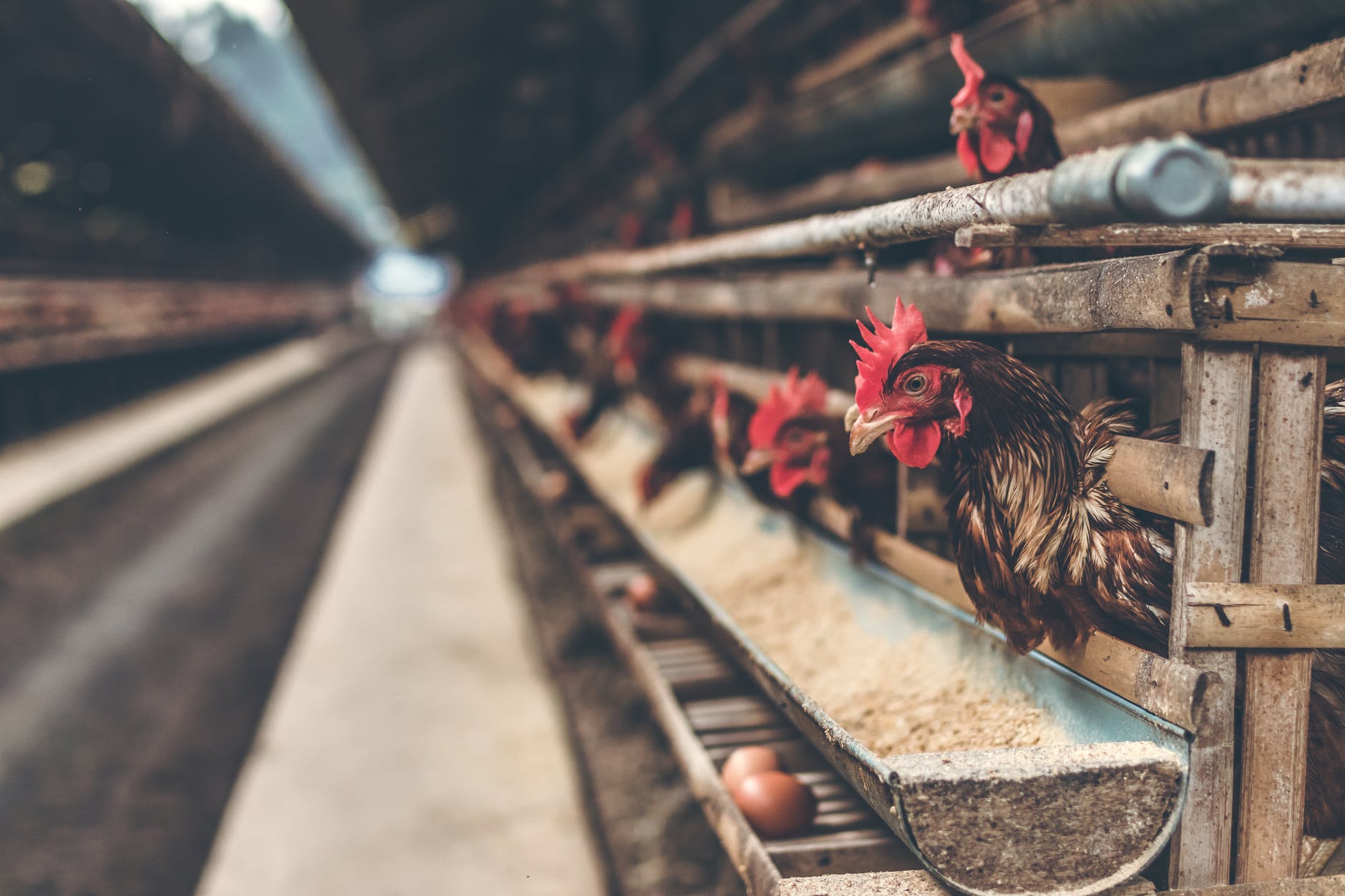
Animal Geographies I: A brief overview
Kartik Chugh “Coronavirus: Industrial animal farming has caused most new infectious diseases and risks more pandemics, experts warn.” – The Independent (May 2020) “From Hamsters to Baboons: The Animals Helping Scientists Understand the Coronavirus.” – Scientific American (May 2020) “The wild animals at risk in lockdown” BBC (May 2020) These three recent headlines show some…
-

Fast-fashion: Clothing the Planet or Stripping it?
Ajay Immanuel Gonji On 2 October 2015, Swedish global fashion company Hennes & Mauritz (H&M) opened its first India store in the national capital, New Delhi, recording opening-day sales of more than ₹1.75 crores, with an average billing of ₹27,000 per minute. Ever since, H&M India has established 47 stores across 24 Indian cities, growing…
-
Avid Birding in Covid Times: Experience from Guwahati
Fizala Tayebulla This post is a personal account of birds that I have curated from my “Corona_Birding_Ghy” photo album. I understand that maybe not everyone is crazed about birding as an activity. It is tedious, often accompanied by neck strain from looking upwards through branches of tall trees for long periods (or until one is…
-

What’s in the Name?
Vijaylakshmi Suman How often do we as humans see the same thing in so many different ways. This difference in perceptions is generally labelled as subjectivity. My recent read of the book “Postmodern Wetlands: culture, history, ecology” by Rod Giblett (1996) provides a similar situation of how a wetland can be associated with diverse imagination…
-

Entangled Spaces: Lime Swallowtail in my Urban Garden
Kartik Chugh Spending almost all the time at home in the past month and a half, I’ve learned to appreciate my surroundings better. I’m finding little joys in watching birds landing on my terrace to quench their thirst, a troop of macaques negotiating the urban infrastructure, and occasional butterflies that stop by my urban garden.…
-

Pandemic and the Urban Water Crisis
Divya Mehra As the world fights the coronavirus outbreak, washing hands at regular intervals has become the most important protective measure to prevent the spread of the virus. As soon as experts confirmed that washing hands with soap thoroughly for 20 seconds will rip out the fat coating of the virus, thus making it inactive,…
-

Water Scarcity Amidst CoVID-19
Himanshu Choudhery Ever since the CoVID-19 pandemic began, people around the world are constantly being told to maintain social distancing and also frequently wash their hands with soap. While washing hands may be effective against germs, washing hands at regular interval also means using large quantities of water. The increased consumption of water in a…
CUES Restoration Project Site: Dheerpur Wetland, Delhi


Description:
Restoration of Dheerpur Wetlands: A collaboration of CUES, AUD & DDA
The marshes and wetlands of the Yamuna region once extended from Azadpur to the present-day banks of the river. This region has been heavily drained and undergone an extensive land-use change during the last fifty years. Remnants of once widespread historical marshes can now only be seen near Jahangirpuri, Dheerpur and Burari. Since wetlands are increasingly appreciated globally and nationally for their socio-ecological functions and provisions, the Delhi Pollution Control Committee (DPCC) decided to restore the wetlands of Dheerpur.
Fragments of these wetlands have been filled up, dyked, dried and carved out for seasonal agriculture. Hence, it may not be sufficient to only stop their further degradation of wetlands of Dheerpur but would also be necessary to restore them for posterity. With this view, the Delhi Development Authority (DDA) has entered into a Management Agreement with Ambedkar University Delhi (AUD), in which the land ownership remains with DDA, and AUD would restore the wetlands. DDA would assist in civil work, funding research and restoration work, whereas AUD is entrusted with providing technical guidance for restoration and maintenance of the wetlands.
The Management Agreement for Dheerpur Wetland Project between AUD and DDA was signed on 17 February 2015. Following which the project was formally inaugurated on 19th June 2015.
Click here to read more on the Dheerpur Wetland Restoration
Location:
Dheerpur Wetland Project Site, Gandhi Vihar, Gopalpur Village,
Delhi 110009
Visiting hours:
10am – 5pm
Project Initiated:
Delhi, June 2015


