
Author: editorcues
-

IUCN’s Bird Species of Least Concern, A Matter of Concern in the City
Amit Kaushik This present piece is a photo blog depicting some of the bird species that have been sighted at the Dheerpur Wetland Park (DWP) during the bird surveys undertaken by the Centre for Urban Ecology and Sustainability (CUES) over the past several months. In the face of rapid urbanization in Delhi, spaces such as…
-
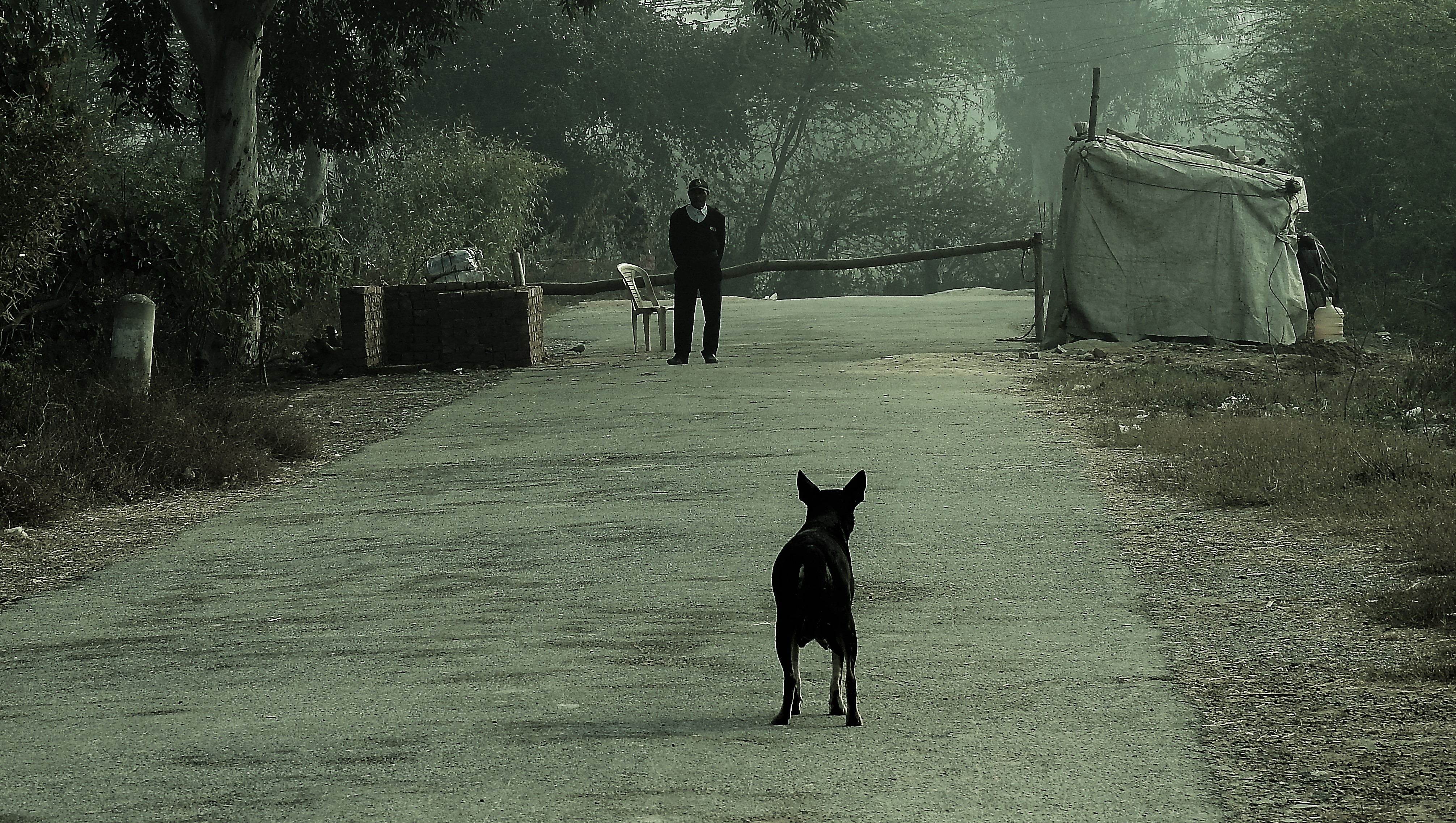
Human Beings Best Friend Can Be Wild Too: Observing Dogs in a Wetland Park
Amit Kaushik Canis lupus familiaris – the dog – was genetically classified as a subspecies of Canis lupus or the grey wolf in 1982. Although the wolf has always been demonized by human beings, the dog is considered as their best friend. 7,000-year-old archaeological evidence from ancient human civilizations emphasizes the mutualistic relationship between dogs and human beings. This…
-

After-effects of a Thousand Feet
Vipin Kumar The mineral and nutrient-rich uppermost layer of the earth’s crust that supports almost all lifeforms in the terrestrial environment is known as soil. It is formed by the slow and continuous weathering of rocks by various physical (thunderstorm & cracks by water freeze), chemical (atmospheric chemicals) and biological (plants & microbial growth) factors.…
-

Health Equity and Sustainable Urban Growth
Vipin Kumar Better livelihood, proper medical facilities, and higher education are responsible for the continuous movement of people from rural to urban areas. Almost 30% of the total Indian population resides in cities (Census 2011) and contributes around 50% of the total GDP. To achieve effective economic development, sustainable utilization of resources is obligatory. Water…
-

The Grass is Greener on Every Side
Amit Kaushik Soils are known to have enormous seed banks and there are some long-lived seeds which patiently wait to sprout until the seed dormancy period has passed. However, in an area where wetlands have been drained and cultivated for more than 10-15 years, seeds in the seed bank die and may not be able…
-

Urban Development at the Cost of Rural Exploitation
Vipin Kumar In India, technological advances, improvements in health services, development of better academic institutes, and massive scale of industrialization has caused the en masse movement of people from rural to urban areas. Large-scale urban development through the construction of residential complexes, hospitals, educational institutions, commercial complexes, parking lots, roads, service lanes, parks and gardens,…
-
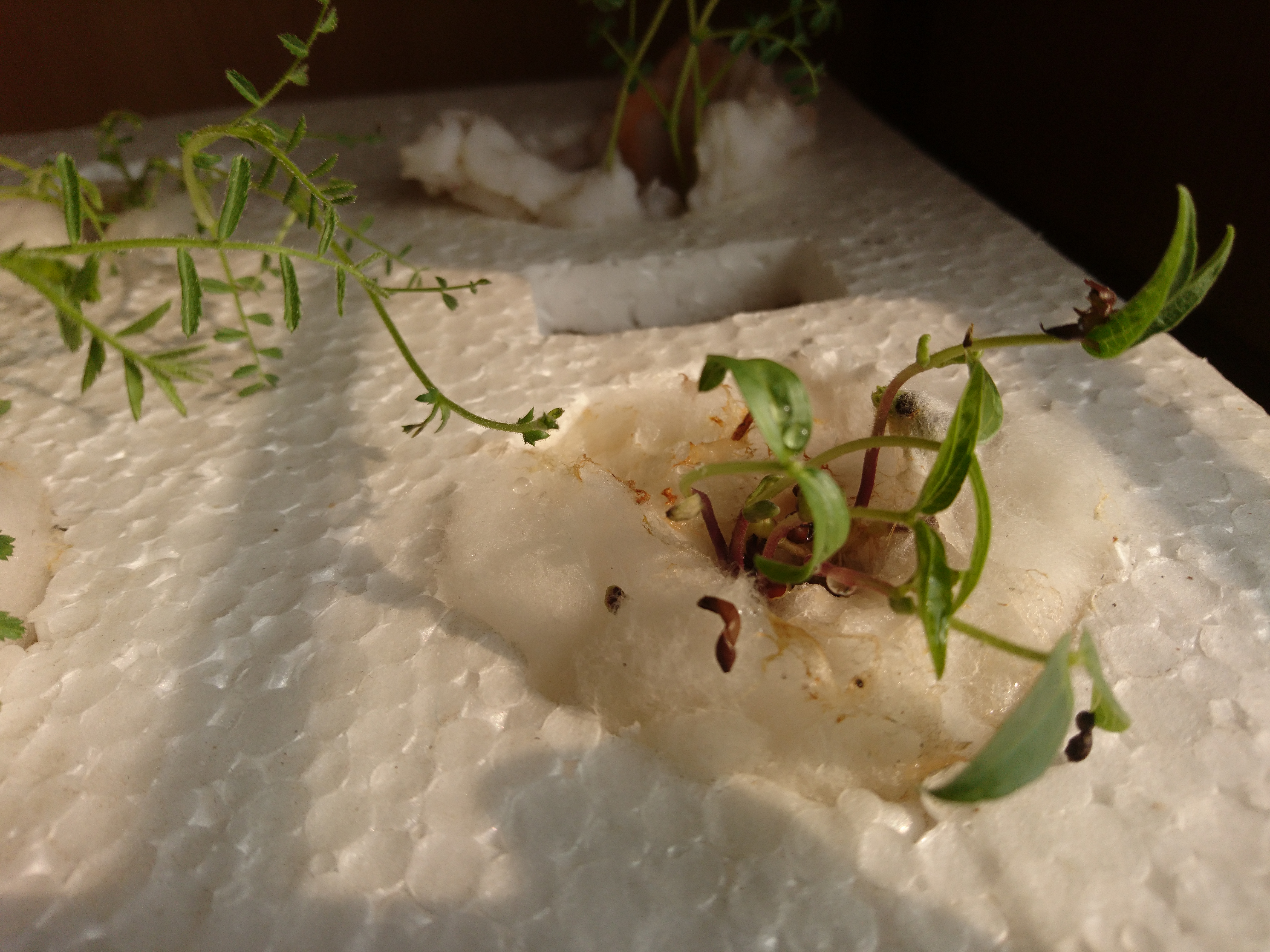
Hydroponics: An Emerging Agricultural Practice in the Modern World
Amit Kaushik & Vipin Kumar Terrestrial farming, a traditional agriculture practice is based on the use of soil as a medium to grow plants. Soil provides essential nutrients, retains water, helps in aeration, and provides anchorage to the plant for successful growth. At the same time, it also provides habitat to numerous microorganisms living close…
-

Urbanization: Fate of Ecosystem and Native Flora
Vipin Kumar Urban development for the provisioning of shelter to the ever-increasing population transforms agricultural land into concrete jungles, and forests into agricultural land, thereby causing habitat degradation and fragmentation. This increases the extinction rate of wild flora and fauna several folds. This geographical landscape disturbance also results in nutrient cycle disturbance and accumulation of…
-

Situating Nilgai in Delhi
Amit Kaushik Culling wildlife in contested spaces has been a new form of land acquisition in human-wildlife co-habitants. In India, after the incorporation of Wildlife Protection Act, 1972, hunting was banned, and several wildlife types were listed under several categories. This gave them legal protection to wildlife based on their status. Several species like mice, house crows, fruit-bats, termites, etc.…
-

Threatened Wetland Ecology: Impact of Over-fertilization and Non-point Sources
Vipin Kumar Wetlands are highly productive, water-saturated areas having life adapted under these conditions. Swamps, marshes, estuaries, and bogs are all examples of wetlands. They act as a sponge to control flood, recharge groundwater and filter nutrients. They also offer habitats to different native flora and fauna, and breeding spaces to migratory birds. In addition…